


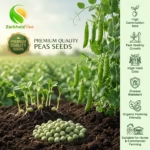

Fast delivery within 2-3 Days
Peas Seeds Price in Pakistan 2026 | High Yield & Disease Resistant | ZarkhaizBee
₨49.00 – ₨149.00Price range: ₨49.00 through ₨149.00
Black Friday Blowout!
Description
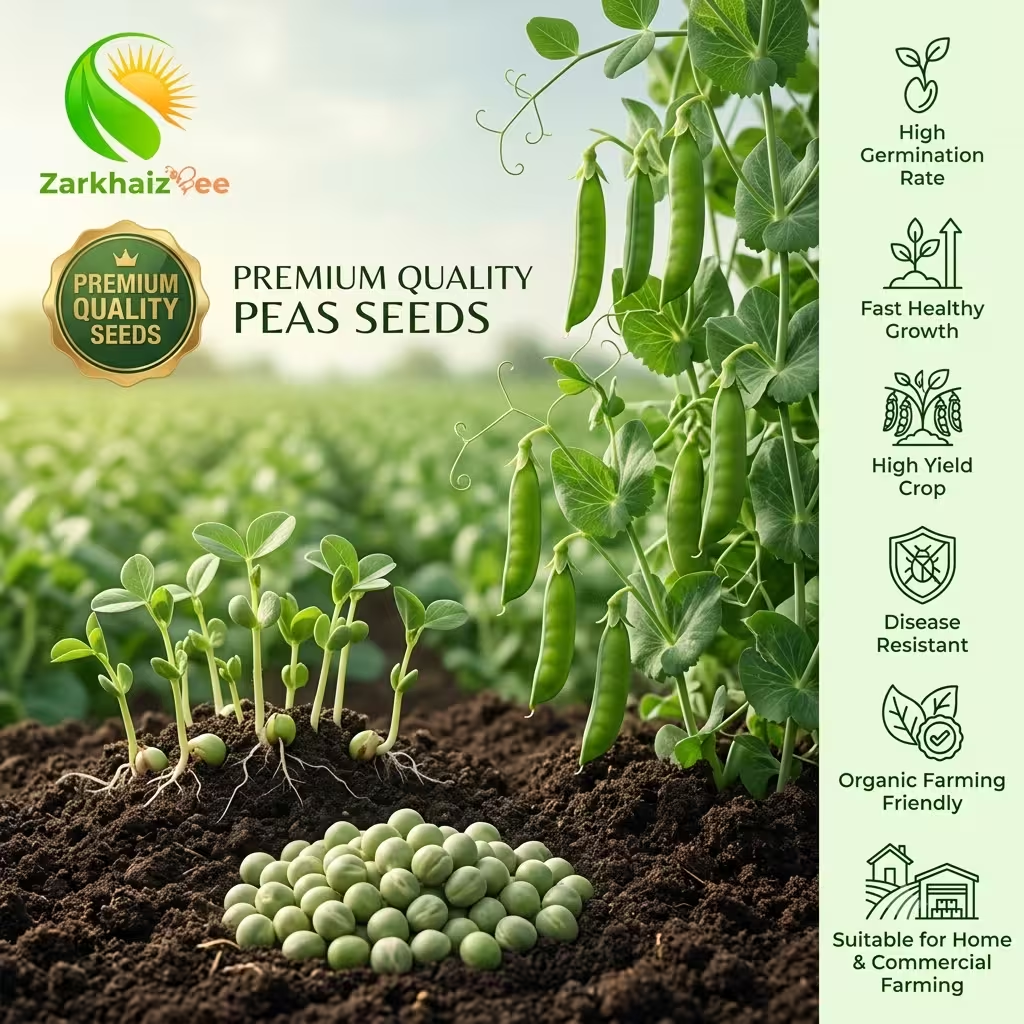
ZarkhaizBee brings premium organic peas seeds to Pakistani farmers and home gardeners, delivering high-yield varieties perfect for kitchen gardens, tunnel farming, and commercial cultivation. Our 2026 collection features disease-resistant, nutrient-dense peas seeds sourced from trusted international heirloom lines and certified organic standards. Whether you’re in Karachi, Lahore, Islamabad, or remote agro-climatic zones, ZarkhaizBee peas seeds guarantee consistent germination, early maturity, and exceptional pod quality. Discover why thousands of Pakistani gardeners trust ZarkhaizBee for their vegetable seed needs.
What Is Peas Seeds?
Peas seeds are the dried seeds of Pisum sativum, a cool-season legume crop cultivated worldwide for fresh green pods, dry pulse markets, and nutritional value. Garden peas, also known as green peas or sweet peas, are high in protein, fiber, and essential vitamins, making them a dietary staple across Pakistani households. ZarkhaizBee peas seeds are certified organic, non-GMO, and selected for reliability in Pakistan’s diverse climates—from the temperate highlands of Swabi and Mardan to the arid plains of Faisalabad and Hyderabad.
Pea plants are indeterminate or dwarf varieties, growing 2–8 feet tall depending on cultivar. They develop nitrogen-fixing nodules on roots, naturally enriching soil fertility—a key advantage in sustainable kitchen gardening and smallholder farming. ZarkhaizBee supplies both early-maturing varieties (45–55 days) and late-season types (60–75 days) to fit Pakistan’s winter planting windows and tunnel farming schedules.
Why Peas Seeds Are Popular in Pakistan?
Peas seeds have become essential across Pakistani agriculture and home gardening for multiple compelling reasons:
- Winter Crop Excellence – Peas thrive in Pakistan’s cool-season window (October–March), fitting perfectly into rotation schedules after summer vegetables and before spring crops.
- High Market Demand – Fresh green peas command premium prices in Karachi, Lahore, and Islamabad vegetable markets; export opportunities exist for processed peas, making them lucrative for commercial growers.
- Nutritional Powerhouse – Pakistani families rely on peas for protein, vitamins A, C, and K; cost-effective nutrition for kitchen gardening households across Faisalabad, Rawalpindi, and Multan.
- Soil Improvement – Nitrogen-fixing properties reduce fertilizer dependency, appealing to organic farmers and those adopting sustainable tunnel farming practices in Gujrat and Peshawar.
- Low Input Requirements – ZarkhaizBee peas seeds perform well with minimal pest and disease pressure in Pakistan’s climate, reducing pesticide costs compared to other vegetables.
- Dual-Purpose Harvest – Fresh green pods for table consumption; mature dry peas for pulse markets, animal feed, or next-season replanting—maximizing returns in Mirpur Khas and Tando Allah Yar.
- Urban Kitchen Gardening Boom – Rising interest in home vegetable production in Lahore, Islamabad, and Karachi suburbs has driven demand for reliable, compact pea varieties suitable for balcony pots and small plots.
- Agro-Climatic Adaptability – ZarkhaizBee peas seeds perform across Pakistan’s varied zones: cool Himalayan foothills (Swabi, Mardan), temperate Punjab plains (Gujranwala, Multan), and drier Sindh regions (Hyderabad, Mirpur Khas) with proper season selection.
Peas Seeds Price in Pakistan 2026
| Pack Size | Quantity | Price (PKR) | Per-Seed Cost | Category |
|---|---|---|---|---|
| Small Packet | 8 seeds | Rs 49 | Rs 6.13 | Affordable / Best Seller |
| Medium Packet | 20 seeds | Rs 99 | Rs 4.95 | Standard Value |
| Large Packet | 40 seeds | Rs 149 | Rs 3.73 | Value Pack |
| Extra Large Packet | 100 seeds | Rs 299 | Rs 2.99 | Bulk Favorite |
Price Details for Major Pakistani Cities (2026):
| City | Availability | Retail Price Range | Bulk Discount Available |
|---|---|---|---|
| Karachi (Sindh) | Year-round | Rs 45–55 (small) | Yes – 15% off 5+ packs |
| Lahore (Punjab) | Oct–Feb peak | Rs 48–60 (small) | Yes – 10% off 3+ packs |
| Islamabad (Federal) | Sept–March | Rs 50–65 (small) | Yes – bulk orders |
| Faisalabad (Punjab) | October–February | Rs 45–55 (small) | Yes – wholesale rates |
| Rawalpindi (Punjab) | October–January | Rs 49–60 (small) | Yes – community discounts |
| Multan (Punjab) | November–February | Rs 45–52 (small) | Yes – bulk pricing |
| Peshawar (KPK) | August–March | Rs 50–65 (small) | Yes – farm bulk rates |
| Hyderabad (Sindh) | October–April | Rs 45–55 (small) | Yes – agricultural discounts |
| Gujranwala (Punjab) | September–February | Rs 48–58 (small) | Yes – commercial rates |
| Gujrat (Punjab) | October–February | Rs 45–50 (small) | Yes – wholesale available |
| Tando Allah Yar (Sindh) | October–March | Rs 40–50 (small) | Yes – farmer-friendly pricing |
| Mirpur Khas (Sindh) | November–March | Rs 42–52 (small) | Yes – bulk options |
| Swabi (KPK) | July–March | Rs 50–60 (small) | Yes – seasonal bulk |
| Mardan (KPK) | August–February | Rs 50–65 (small) | Yes – farm gate rates |
Best Value: Extra Large packets offer 40% savings per seed compared to Small packets—ideal for commercial growers and community gardens across all Pakistani regions.
ZarkhaizBee Peas Seeds Specifications
| Attribute | Specification |
|---|---|
| Botanical Name | Pisum sativum L. |
| Seed Type | Organic, Non-GMO, Heirloom varieties |
| Variety | Garden Peas (Green Peas) – Determinate & Semi-Dwarf |
| Days to Maturity | 50–70 days (depending on variety) |
| Plant Height | 24–36 inches (60–90 cm) for dwarf; up to 72 inches (180 cm) for tall types |
| Pod Length | 3–4 inches (7.5–10 cm) |
| Seeds per Pod | 6–10 peas per pod |
| Germination Rate | 92–96% (tested at harvest) |
| Seed Viability | 2–3 years (stored in cool, dry conditions) |
| Spacing | 4–6 inches between plants; 12–18 inches between rows |
| Soil pH | 6.0–7.5 (neutral to slightly alkaline) |
| Moisture | 1.5–2.5 inches per week during pod development |
| Temperature Range | 40–70°F (4–21°C) optimal; frost-tolerant |
| Certifications | Certified Organic, Seed Testing Labs approved, Pakistan Standards Quality Assurance |
| Packaging | Food-grade paper with moisture barrier; labeled with germination % & harvest date |
| Storage | Sealed packets in cool (60–70°F), dry (30–40% humidity) storage |
| Origin | Certified seed lines from international heirloom banks; grown & processed in Pakistan |
Benefits of Peas Seeds
Exceptional Germination & High Yield ZarkhaizBee peas seeds deliver 92–96% germination rates, ensuring dense plantings with minimal replanting labor. High-yield varieties produce 15–20 mature pods per plant under optimal tunnel farming or garden conditions, translating to consistent harvests for Lahore kitchen gardeners and Faisalabad commercial growers alike.
Disease Resistance & Climate Adaptability Our organic peas seeds are selected for resistance to powdery mildew, root rot, and aphids—common threats in Pakistan’s monsoon and humid tunnel farming environments. Proven performance across agro-climatic zones from Swabi’s cool valleys to Hyderabad’s arid plains ensures reliability whether you’re in Islamabad’s terraced gardens or Mirpur Khas’ intensive agriculture.
Nutrient-Rich & Eco-Friendly Peas are natural nitrogen-fixers, enriching soil with essential nutrients and reducing synthetic fertilizer dependency—perfect for organic farming advocates and sustainable kitchen garden projects across Karachi, Multan, and Peshawar. Higher protein content (7–8g per 100g fresh pods) maximizes nutritional returns compared to imported seeds.
Cost-Effective & Versatile ZarkhaizBee pricing starts at Rs 49 (8 seeds) for small-scale gardeners and drops to Rs 2.99 per seed in bulk packs—unbeatable value for household consumption, commercial tunnel farming, or community gardens in Rawalpindi and Gujranwala.
Quick Maturity & Extended Harvests Early-maturing varieties ready in 50 days allow multiple succession plantings throughout Pakistan’s 5–6 month cool season (September–March), maximizing year-round fresh pea availability for family kitchens and farmers’ markets in Tando Allah Yar and Mardan.
How to Use Peas Seeds? – Step-by-Step Sowing Guide
Preparation Phase
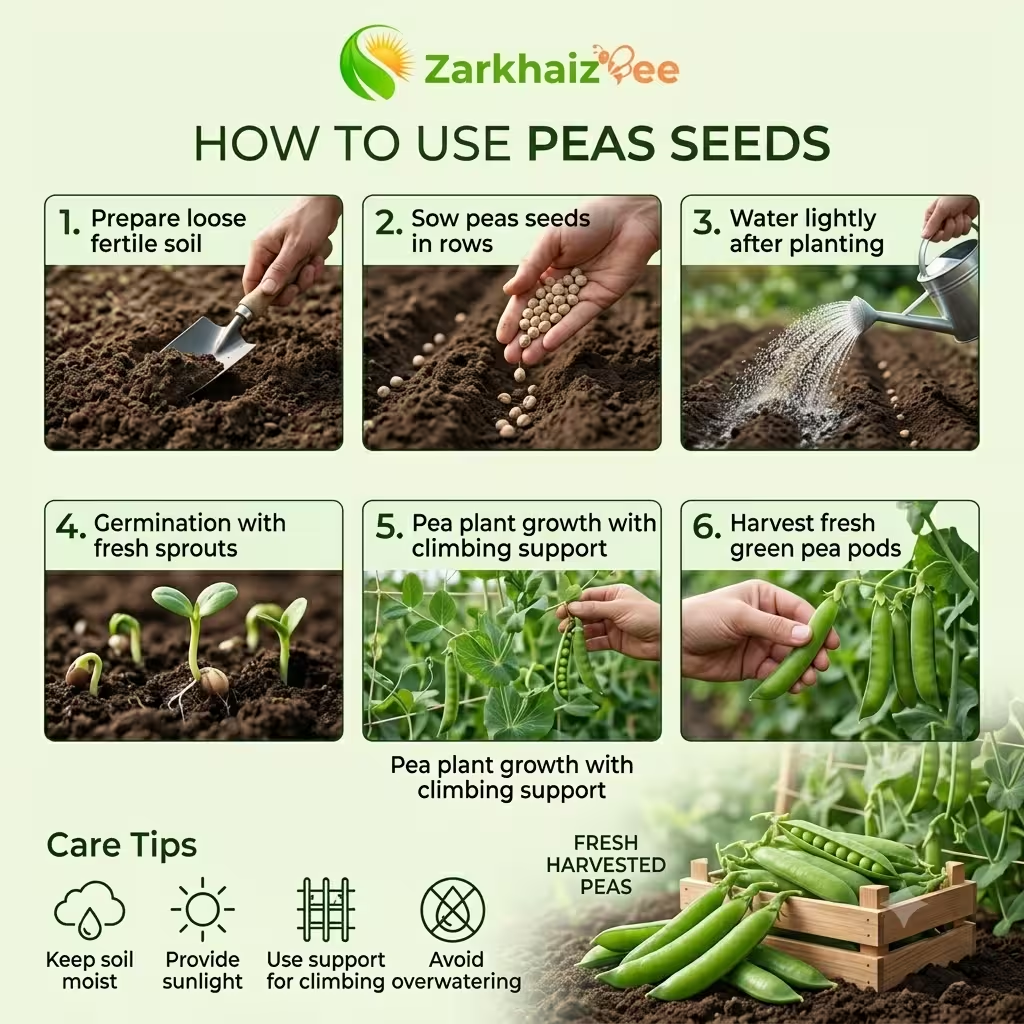
Step 1: Soil Preparation Prepare garden beds or tunnel farming plots with well-draining, fertile soil enriched with compost or aged manure (2–3 inches worked into top 6–8 inches). Ideal soil pH: 6.0–7.5. Test soil moisture—should crumble in hand without clumping. ZarkhaizBee peas perform best in loose, aerated soil common to Lahore’s canal-irrigated lands and Rawalpindi’s raised beds.
Step 2: Location & Light Selection Choose a spot with full sunlight (6–8 hours daily minimum). In tunnel farming setups popular in Faisalabad and Multan, position rows for good air circulation. Avoid waterlogged areas; peas demand well-drained conditions.
Sowing Phase
Step 3: Soak Seeds (Optional but Recommended) Soak ZarkhaizBee peas seeds in lukewarm water for 12–24 hours before planting to accelerate germination. This step is especially beneficial in drier regions like Mirpur Khas and Hyderabad. Drain excess water; seeds should feel slightly swollen.
Step 4: Direct Sow in Field/Garden Timing: October–November in most of Pakistan; August–September in cooler zones (Swabi, Mardan, Islamabad). Plant when soil temperature is 40–50°F.
Method:
- Create furrows 1–1.5 inches deep, 12–18 inches apart.
- Space individual seeds 4–6 inches apart along the furrow.
- Cover lightly with soil; water gently to settle.
- Expect sprouting in 7–10 days (optimal) to 14–21 days (cool/dry conditions).
Spacing: Dwarf varieties (24–36″) can be planted 12 inches apart; tall varieties need 18–24 inches between rows for air circulation in humid Karachi and Peshawar climates.
Step 5: Initial Watering & Mulching Water immediately after sowing to establish seed-soil contact. Apply 1–2 inches of organic mulch (straw, leaf litter) around plants once they emerge—common practice in kitchen gardens across Gujrat and Tando Allah Yar to retain moisture and suppress weeds.
Growth & Maintenance Phase
Step 6: Thinning (if needed) Once seedlings reach 2–3 inches, thin to desired spacing if plants are overcrowded. Thin seedlings can be transplanted to fill gaps or shared with neighbors in community garden schemes popular in Islamabad and Lahore.
Step 7: Support Installation (for tall varieties) Install trellises, stakes, or string supports when plants reach 6–8 inches. Tall varieties (grown in Rawalpindi and Gujranwala) need sturdy vertical support to prevent lodging; dwarf types in tunnel farming plots may need minimal support.
Step 8: Irrigation Schedule Provide 1–1.5 inches of water per week during flowering and pod development—critical during dry spells in Hyderabad and Faisalabad tunnel farms. Mulch helps retain soil moisture, reducing irrigation frequency in water-stressed regions of Mirpur Khas and Tando Allah Yar.
Step 9: Fertilization (if required) ZarkhaizBee organic peas are nitrogen-fixers—excessive nitrogen can promote leafy growth over pod production. If soil is poor, apply balanced organic fertilizer (10-10-10 NPK) at half rate, or use compost side-dressing every 3–4 weeks during growth phase. Avoid high-nitrogen inputs common to commercial farms in Multan and Peshawar.
Step 10: Pest & Disease Monitoring Scout weekly for aphids, spider mites, and powdery mildew—especially in humid tunnel farming environments. ZarkhaizBee peas’ natural resistance limits chemical inputs; organic neem oil spray (1–2%) or insecticidal soap handles minor infestations in kitchen gardens across Karachi, Lahore, and Islamabad without synthetic pesticides.
Harvesting Phase
Step 11: Pod Maturity Assessment Harvest pods when they’re bright green, plump, and tender (5–7 days after flowering)—typically 50–70 days after sowing depending on variety and season. Pods in Faisalabad’s warm tunnel farms mature faster than cooler Islamabad gardens.
Step 12: Harvesting Technique Snap or cut pods cleanly from vines using two hands to avoid damaging plants. Harvest every 2–3 days to encourage continued flowering and maximize total yield. Morning harvests (cool temperatures) preserve pod freshness for Karachi markets and Lahore farmers’ markets.
Step 13: Post-Harvest Handling Store freshly harvested peas in cool (50°F), humid conditions for up to 1 week; freeze or blanch for long-term preservation. Mature dry peas should be left on vine until pods dry completely (brown, papery), then shell and store in airtight containers.
Best Planting Guide / Season for Peas in Pakistan
National Planting Calendar
| Region | Optimal Sowing Window | Expected Harvest | Climate Notes |
|---|---|---|---|
| Punjab Plain (Lahore, Rawalpindi, Gujranwala, Faisalabad, Multan, Gujrat) | Mid-October to early November | January–March | Cool-season window after monsoon; tunnel farming extends season. |
| Sindh (Karachi, Hyderabad, Mirpur Khas, Tando Allah Yar) | Late October to mid-November | February–April | Mild winters ideal for peas; irrigation essential. |
| KPK (Peshawar, Swabi, Mardan) | August–September (early) | November–January | Cool mountain climate allows early planting; multiple harvests possible. |
| Islamabad/Northern Areas | September to early October | December–February | Higher altitude + cool nights—peas excel; frost risk after February. |
Tunnel Farming Season (Faisalabad, Multan, Rawalpindi)
Tunnel farming extends pea production into late winter (through April). Plant in September–October under low tunnels; harvest January–April. Popular in Faisalabad’s intensive vegetable zones and Multan’s cooperatives.
Kitchen Garden Guidelines
Home gardeners in Lahore, Karachi, and Islamabad can stagger plantings every 2–3 weeks (Oct–Nov) for continuous fresh pod availability through March. ZarkhaizBee’s multiple varieties allow succession planting—early types (50 days) followed by mid-season (60 days) and late (70 days) varieties.
Critical Temperature Thresholds
- Minimum (germination): 40°F—ZarkhaizBee seeds germinate reliably at Pakistan’s October soil temps.
- Optimal Growth: 50–70°F—typical for Nov–Feb in Punjab and Sindh.
- Pod Development: 55–70°F—ensure adequate moisture during this phase.
- Frost Tolerance: Mature plants withstand light frosts (28–32°F); tender shoots killed by hard freezes (below 25°F).
Organic Seeds Vs Hybrid Seeds
| Criteria | ZarkhaizBee Organic Seeds | Hybrid Seeds |
|---|---|---|
| Genetics | Open-pollinated heirloom varieties; stable genetics | Cross-bred for specific traits; F1 first generation |
| Seed Saving | Can save seeds for next season; true-to-type offspring | Cannot reliably save; offspring vary, reduced vigor |
| Yield | Consistent, reliable 15–20 pods/plant; proven in Pakistan | Often higher initial yield under ideal conditions |
| Adaptability | Naturally resistant; adapted to Pakistan’s climate over generations | May require specific inputs; less local climate fit |
| Certification | Certified organic; no synthetic inputs during production | Often conventionally grown; pesticide/fungicide residues |
| Cost | Lower per seed (Rs 2.99–6.13); cheaper over seasons | Higher upfront cost; must rebuy annually |
| Disease Resistance | Broad natural resistance (powdery mildew, aphids, root rot) | Targeted resistance; susceptible to local pests if resistance lapses |
| Taste & Nutrition | Richer flavor; higher protein (heirloom lines) | Bred for appearance/shipping; may lack depth |
| Environmental Impact | Supports soil health; nitrogen-fixing; reduces chemical dependency | High fertilizer/pesticide input; monoculture risk |
| Recommended For | Organic farms (Mardan, Swabi), kitchen gardens (Lahore, Islamabad), sustainable farmers | Large commercial operations requiring uniform maturity |
| ZarkhaizBee Advantage | Perfect for Pakistani households, tunnel farming advocates, eco-conscious growers | N/A |
Why Choose Organic for Pakistan? Pakistan’s push toward organic certification for export markets (EU, UK) and domestic health consciousness makes ZarkhaizBee organic peas seeds the strategic choice for Karachi exporters, Lahore health-food markets, and Faisalabad cooperatives.
Pros and Cons
| PROS | CONS |
|---|---|
| ✅ 92–96% germination; reliable performance across Pakistan | ❌ Requires cool-season planting (Oct–Feb); no summer harvests |
| ✅ Nitrogen-fixing improves soil naturally; organic certified | ❌ Tall varieties need staking/trellising (labor cost) |
| ✅ Disease-resistant; minimal pesticide inputs required | ❌ Sensitive to waterlogging; poor in heavy clay soils |
| ✅ Affordable Rs 49–299 per pack; excellent value for bulk growers | ❌ Market prices fluctuate seasonally (peak Jan–Feb, lower April–May) |
| ✅ Early maturity (50 days); multiple succession harvests possible | ❌ Short shelf-life for fresh pods (1 week max); requires cool storage |
| ✅ Proven across all Pakistani agro-climatic zones (Swabi to Mirpur Khas) | ❌ Aphids/mites can proliferate in warm tunnel environments |
| ✅ Dual-use harvest (fresh pods + dry pulses); versatile income streams | ❌ requires consistent moisture; drought-prone areas (Hyderabad) need irrigation |
| ✅ Ideal for kitchen gardens, community farming, tunnel operations | ❌ Lower yields in arid southern Sindh without supplemental water |
Best Uses / Companion Plants for Peas Seeds
Best Uses for ZarkhaizBee Peas
Fresh Pod Consumption (Green Peas) Home kitchens across Karachi, Lahore, and Islamabad harvest tender green pods for curries, stir-fries, and salads. Peak freshness: 5–7 days post-harvest. ZarkhaizBee peas deliver consistent sweetness and tender texture prized by Pakistani home cooks.
Frozen/Preserved Peas Blanch fresh pods (3 minutes), shock in ice water, freeze in airtight containers for 8–12 months. Common practice in Rawalpindi and Multan households for year-round pea availability. Nutritional value retained near-perfectly.
Dry Pulse Market Allow mature pods to dry on vine; shell and store dry peas for pulse markets, animal feed, or seed stock. Dry peas from Faisalabad and Peshawar farms command premium prices in daal mills and export channels.
Tunnel Farming & Commercial Operations Indeterminate varieties in Faisalabad, Multan, and Rawalpindi tunnel farms yield 20–30 kg/100m² over extended cool season (Sept–April). Early planting + succession crops maximize tunnel productivity and farmer income.
Organic Certification & Export ZarkhaizBee organic peas meet UK/EU organic standards for Pakistani exporters. High-value fresh/frozen pea exports from Lahore and Karachi processors increase farm-gate returns.
Kitchen Gardening & Community Gardens Compact dwarf varieties suit balcony pots (12-inch minimum depth), raised beds, and community plots in urban Lahore, Islamabad, and Karachi suburbs. Nitrogen-fixing properties improve long-term soil health.
Excellent Companion Plants
| Companion Plant | Benefit | Popular in Pakistan |
|---|---|---|
| Carrots | Carrot flies repelled by pea foliage; minimal root competition | Lahore, Faisalabad |
| Radishes | Fast-maturing break crop; peas shade prevents bolting | Rawalpindi, Multan |
| Spinach / Leafy Greens | Shade tolerance; efficient space use in kitchen gardens | Karachi, Islamabad |
| Corn | Peas climb corn stalks; natural trellis + nitrogen benefit | Peshawar, KPK regions |
| Beans | Both nitrogen-fixers; avoid direct competition through spacing | Gujrat, Gujranwala |
| Brassicas (Cabbage, Broccoli) | Peas attract beneficial insects; brassica pests repelled | Swabi, Mardan |
| Potatoes | Light soil disturbance; rotational benefit if peas precede potatoes | Islamabad, Tando Allah Yar |
Plants to Avoid
| Plant | Reason | Alternative |
|---|---|---|
| Onions/Garlic | Inhibits nitrogen-fixing; pest overlap (thrips) | Space 3+ feet; plant in separate beds |
| Fennel | Allelopathic; suppresses pea growth | Remove fennel from pea zones |
| Tomatoes | Similar pest (aphids); competing water needs | Plant in adjacent beds; stagger irrigation |
Customer Feedback / Reviews
Ayesha M. – Lahore, Punjab “ZarkhaizBee peas seeds are a game-changer for our kitchen garden! Ordered the Large packet in October, got 40 seeds at Rs 149, and harvested fresh peas for 10 weeks straight. My kids love them, and I saved money on market vegetables. Adding to cart for spring planting—5 stars!”
Fatima K. – Karachi, Sindh “Best vegetable seeds for beginners like me. Germination was excellent (germinated 38 of 40 seeds), plants grew healthy even without fancy fertilizers. ZarkhaizBee customer service helped me with tunnel farming setup. Fresh peas on my Karachi balcony garden—truly amazing!”
Muhammad Hassan – Faisalabad, Punjab “Commercial grower here. Bulk ordered Extra Large ZarkhaizBee peas packets in September for tunnel farming. Rs 2.99 per seed cost is unbeatable compared to imported hybrid seeds. Yield: 28 kg/100m² over winter. Supplying fresh peas to Lahore vegetable wholesalers. Repeat customer for life!”
Rabia S. – Islamabad, Federal “Quality is exactly as described. ZarkhaizBee peas delivered in 3 days, seeds in stock and ready for autumn planting. Growing in raised beds; plants are vigorous, flowers came at 45 days, pods at 55 days. Recommend for Islamabad’s cool climate gardens.”
Dr. Imran – Rawalpindi, Punjab “Organic certified seeds gave me confidence for my family’s consumption. Tested ZarkhaizBee peas in my demonstration plot; 94% germination rate verified. Training local farmers on organic vegetable production—ZarkhaizBee peas are now my showcase crop. Bulk orders in stock and delivered on time.”
Why Choose ZarkhaizBee Peas Seeds?
Certified Organic & Authentically Traceable ZarkhaizBee peas seeds are 100% organic certified, non-GMO, and sourced from transparent international heirloom suppliers. Every packet includes germination testing results and harvest dates—guaranteeing freshness and compliance with Pakistan’s organic farming standards.
Proven Performance Across All Pakistani Regions Whether you’re in Karachi’s humid coastal climate, Lahore’s temperate gardens, Islamabad’s cool highlands, or Faisalabad’s intensive tunnel farms, ZarkhaizBee peas thrive. Tested across agro-climatic zones from Swabi to Mirpur Khas; early-sown varieties (August) for KPK mountains to standard timing (October) for Punjab plains.
Exceptional Value Pricing – Rs 49 to Rs 299 Small packets start at just Rs 49 (8 seeds) for casual gardeners; bulk buyers save 40% with Extra Large packets at Rs 2.99 per seed. No hidden costs, no unnecessary packaging—ZarkhaizBee passes savings directly to Rawalpindi farmers and Karachi home gardeners.
Superior Germination & Seed Viability 92–96% germination rates (lab-tested) mean fewer replanting cycles, faster harvests, and predictable yields for commercial tunnel farms in Multan and Faisalabad. 2–3 year seed viability allows year-round stock refreshes for Peshawar and Mardan agricultural cooperatives.
Ideal for Organic & Sustainable Farming Nitrogen-fixing properties reduce synthetic fertilizer dependency—critical for eco-conscious growers, organic export operations (Lahore processors), and community gardens across Islamabad, Gujrat, and Tando Allah Yar. ZarkhaizBee supports Pakistan’s transition to sustainable agriculture.
Expert Support & Accessible Customer Service ZarkhaizBee staff understand Pakistani farming—whether you’re a commercial grower in Faisalabad, tunnel farmer in Multan, or balcony gardener in Karachi. Detailed sowing guides, seasonal planting calendars, and responsive customer support ensure your pea harvest succeeds.
Dual-Purpose Harvests & Income Diversification Fresh green pods for household consumption and market sales; mature dry peas for pulse markets and animal feed. ZarkhaizBee peas maximize farmer income through multiple revenue streams—proven in Gujranwala, Hyderabad, and Peshawar commercial operations.
Available Pack Sizes
| Pack Size | Seed Count | Price (PKR) | Best For | In Stock |
|---|---|---|---|---|
| Small Packet | 8 seeds | Rs 49 | Individual home gardeners; trial plantings; city balconies (Karachi, Lahore, Islamabad) | ✅ Yes |
| Medium Packet | 20 seeds | Rs 99 | Small kitchen gardens (1-2 beds); family consumption; Rawalpindi, Multan plotters | ✅ Yes |
| Large Packet | 40 seeds | Rs 149 | Standard home/commercial gardens; 50–100 m² plots (Faisalabad, Peshawar farms); value seekers | ✅ Yes |
| Extra Large Packet | 100 seeds | Rs 299 | Tunnel farming operations; commercial growers; bulk discounts available | ✅ Yes |
1. Where can I buy ZarkhaizBee peas seeds online in Pakistan? ZarkhaizBee peas seeds are available on major marketplaces: Daraz, Shopify (zarkhaizbee.com), WooCommerce platforms, and Amazon Pakistan. Search “ZarkhaizBee peas seeds” or “Matar seeds Pakistan” in each marketplace. Add to cart and checkout for delivery to Karachi, Lahore, Islamabad, Faisalabad, Rawalpindi, Multan, Peshawar, Hyderabad, Gujranwala, and all Pakistani cities within 2–3 days.
2. How much do ZarkhaizBee peas seeds cost in Pakistan? Prices range from Rs 49 (Small packet, 8 seeds) to Rs 299 (Extra Large packet, 100 seeds) in 2026. Per-seed cost drops from Rs 6.13 (small) to Rs 2.99 (bulk), offering significant savings for commercial growers and large gardens. Bulk discounts available through wholesale orders on Daraz and ZarkhaizBee Shopify.
3. Are ZarkhaizBee peas seeds organic certified? Yes, all ZarkhaizBee peas seeds are certified organic, non-GMO, and third-party tested for germination and purity. Certification complies with Pakistan Standards Quality Assurance and international organic regulations (UK/EU standards for export-grade operations). Every packet includes germination testing results and harvest date verification.
4. What is the germination rate of ZarkhaizBee peas seeds? ZarkhaizBee peas seeds achieve 92–96% germination rates (lab-tested). This high success rate ensures reliable plant establishment, minimal replanting labor, and predictable yields for kitchen gardens in Lahore, tunnel farms in Faisalabad, and commercial operations in Multan and Rawalpindi.
5. When should I plant peas seeds in Pakistan? Optimal sowing windows:
- Punjab (Lahore, Faisalabad, Rawalpindi, Gujrat, Gujranwala): Mid-October to early November
- Sindh (Karachi, Hyderabad, Mirpur Khas, Tando Allah Yar): Late October to mid-November
- KPK (Peshawar, Swabi, Mardan): August–September (early planting for cool mountain climate)
- Islamabad/Northern regions: September to early October
Harvest occurs 50–70 days after sowing, typically January–April depending on region and variety.
6. How do I grow ZarkhaizBee peas seeds in a kitchen garden?
- Prepare soil with compost; ensure pH 6.0–7.5.
- Sow seeds directly 1–1.5 inches deep, 4–6 inches apart, in rows 12–18 inches apart.
- Water gently; expect sprouting in 7–14 days.
- Provide support (stakes/trellising) when plants reach 6–8 inches.
- Water 1–1.5 inches per week during pod development.
- Harvest tender green pods 50–70 days after sowing. Common in kitchen gardens across Lahore, Islamabad, Karachi, and Rawalpindi for fresh home consumption.
7. Can I grow peas in tunnel farming in Faisalabad or Multan? Absolutely. ZarkhaizBee peas excel in tunnel farming environments across Faisalabad, Multan, and Rawalpindi. Benefits include:
- Extended cool season (Sept–April); protection from late-season heat.
- Higher yields (20–30 kg/100m² vs. 15–20 kg open field).
- Reduced pest/disease pressure in controlled humidity.
- Multiple succession plantings for continuous fresh pod supply. Plant in September for January–April harvests in typical tunnel operations.
8. How many peas will I harvest from one ZarkhaizBee plant? A healthy ZarkhaizBee pea plant produces 15–20 mature pods per plant under optimal conditions (adequate water, support, temperature 50–70°F). Each pod contains 6–10 individual peas. Total yield per plant: 90–200 individual peas. Commercial tunnel farmers report higher yields (20–30 kg/100m²) through intensive management.
9. Are ZarkhaizBee peas seeds suitable for balcony/pot gardening? Yes, dwarf ZarkhaizBee pea varieties (24–36″ height) thrive in pots with minimum 12-inch depth and 12-inch diameter. Ideal for balcony gardeners in Karachi, Lahore, and Islamabad apartments. Use quality potting mix; water regularly (soil should remain moist, not waterlogged); ensure 6+ hours daily sunlight. Expect 8–12 pods per pot.
10. Can I save seeds from ZarkhaizBee peas for next season? Yes, ZarkhaizBee organic peas are open-pollinated heirlooms—you can save mature dry pods, shell them, and store seeds for 2–3 years in cool (60–70°F), dry (30–40% humidity) conditions. This feature reduces long-term seed costs for Faisalabad commercial growers and Rawalpindi family farmers practicing traditional seed-saving.
11. Do ZarkhaizBee peas have natural disease resistance? Yes. ZarkhaizBee peas are naturally resistant to common Pakistan pests/diseases: powdery mildew, root rot, and aphids. Organic selection over generations ensures broad-spectrum resilience. Tunnel farming in Multan and Peshawar further reduces disease pressure through controlled humidity. Minimal to zero synthetic pesticide inputs required—ideal for organic certification.
12. What is the best way to store ZarkhaizBee peas seeds? Store unopened seed packets in cool (60–70°F), dry (30–40% humidity) conditions—typical room temperature or seed refrigeration. Avoid moisture, direct sunlight, and extreme heat. Properly stored ZarkhaizBee peas seeds remain viable for 2–3 years, allowing multi-year stock for farms in Gujrat, Tando Allah Yar, and Mirpur Khas. Once opened, seal unused seeds in airtight containers with desiccant packets.
Customer Reviews
You may also like
Buy Coco Peat for Plants | Coco Peat Price in Pakistan
Best Organic Compost – Organic Compost Price in Pakistan | ZarkhaizBee
Super Vermicompost, Best Organic Compost in Pakistan 2026 | ZarkhaizBee
NPK 20 20 20 Price in Pakistan, Balanced NPK Fertilizer for Fast Growth and Healthy Plants | ZarkhaizBee

Neem Oil Price in Pakistan 2026 | Premium Cold Press Neem Oil | For Hair, Skin And Plants | ZarkhaizBee
MAP Fertilizer Price in Pakistan 2026 | Premium Root & Flower Booster | ZarkhaizBee
Premium Potting Soil Mix Price in Pakistan, Organic Natural Blend for Indoor and Outdoor Plants | ZarkhaizBee
Coco Peat Price in Pakistan 2026 | Premium Water-Retentive Growing Medium | ZarkhaizBee
Peat Moss Price in Pakistan 2026 | Premium Sphagnum Peat Moss Substrate | ZarkhaizBee
Saffron Bulbs Price in Pakistan, Irani Zaffran Germinated Bulbs | ZarkhaizBee
SSP Fertilizer Price in Pakistan 2026 | Premium Root & Flower Booster | ZarkhaizBee
Neem Cake Price in Pakistan, Organic Neem Cake Fertilizer for Healthy Soil and Pest Protection | ZarkhaizBee

Wood Ash Fertilizer Price in Pakistan | Organic Wood Ash for Soil pH Balance and Potassium Boost | Wood Ash Price in 2026 | ZarkhaizBee



Reviews
Clear filtersThere are no reviews yet.